

Jet Ski Oil Pumps: Function, Types, and Maintenance
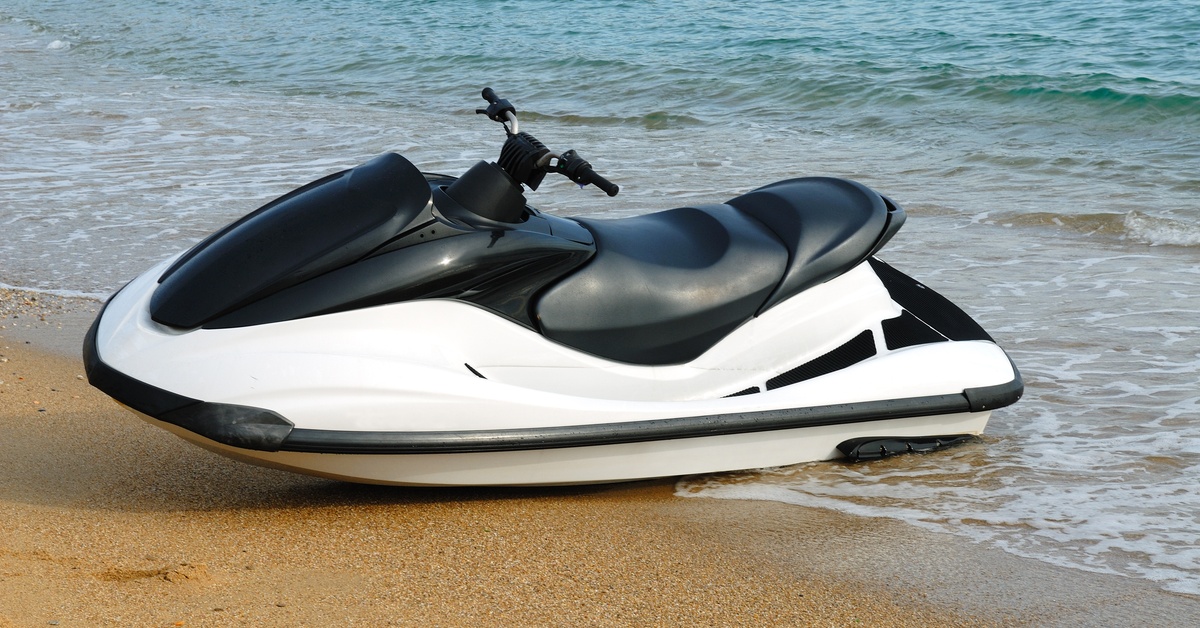
Jet ski oil pumps play a critical role in keeping your personal watercraft running smoothly and reliably. In two-stroke engines especially, the oil pump meters the precise amount of oil needed to lubricate internal components as the engine operates. This automatic delivery system eliminates the need for premixing fuel and oil while ensuring consistent lubrication under varying engine loads and speeds. Let’s explore in greater detail jet ski oil pump functions, types, and maintenance needs, giving you a leg up in keeping your vessel reliable.
How Jet Ski Oil Pumps Work
Most oil pumps are mechanically driven by the engine and calibrated to increase oil flow as throttle input rises. At idle, only a small amount of oil is delivered. As RPM increases, the pump responds by supplying more lubrication. This proportional system ensures optimal performance without waste.
In modern designs, precision is everything. Even slight inconsistencies in pump output can affect combustion efficiency and internal wear. For riders who push their machines hard or operate in demanding conditions, maintaining a properly functioning oil pump is a necessity.
Types of Jet Ski Oil Pumps
Mechanical Oil Pumps
These are the most common and are driven directly by the engine. They rely on linkages connected to the throttle to adjust oil flow. Mechanical pumps are durable, relatively simple, and widely supported with aftermarket jet ski pump replacement parts.
Electronic Oil Injection Systems
Some newer models use electronically controlled oil delivery. Sensors monitor engine speed, temperature, and throttle position to determine oil requirements. These systems offer greater accuracy but are more complex and often require specialized components when repairs are necessary.
Premix Conversion Setups
In performance or racing environments, some owners eliminate the oil pump altogether and switch to premixing fuel and oil manually. While this removes pump-related failures, it requires strict attention to mixing ratios and consistency.
Signs Your Oil Pump Needs Attention
An oil pump rarely fails without warning. Common indicators include excessive engine smoke, abnormal engine noise, spark plug fouling, or fluctuating oil consumption. In more serious cases, overheating or power loss may occur. If you notice any of these symptoms, inspecting the pump and related components should be your first step.
Using quality jet ski pump replacement parts during repairs ensures proper fitment, accurate oil flow, and long-term reliability. Inferior components may save money initially but can introduce new problems that cost far more to fix.
Maintenance Best Practices
Routine maintenance dramatically reduces the risk of oil pump failure. Start by checking oil lines for cracks, leaks, or air bubbles. Make sure all fittings are secure and free from obstruction. Periodically inspect the pump’s mechanical linkage or electronic connections, depending on your system type.
Flushing the system and using manufacturer-recommended oils also preserves internal seals and moving parts. When replacement becomes necessary, always choose parts designed specifically for your jet ski model. The right replacement parts protect the pump itself and the engine as a whole.
Why Quality Replacement Parts Matter
Oil pumps are precision components. A minor defect in a seal, gear, or housing alters oil flow and jeopardizes engine health. Investing in reliable replacement parts from SBT ensures your jet ski operates at peak performance and maintains the durability expected by serious riders and professionals. Choose SBT for parts you can rely on when your jet ski oil pump needs maintenance and support. We carry a wide range of part types and models to ensure your PWC receives the necessary gear.
No Comments Yet