

A Quick Guide to Jet Ski Braking Systems
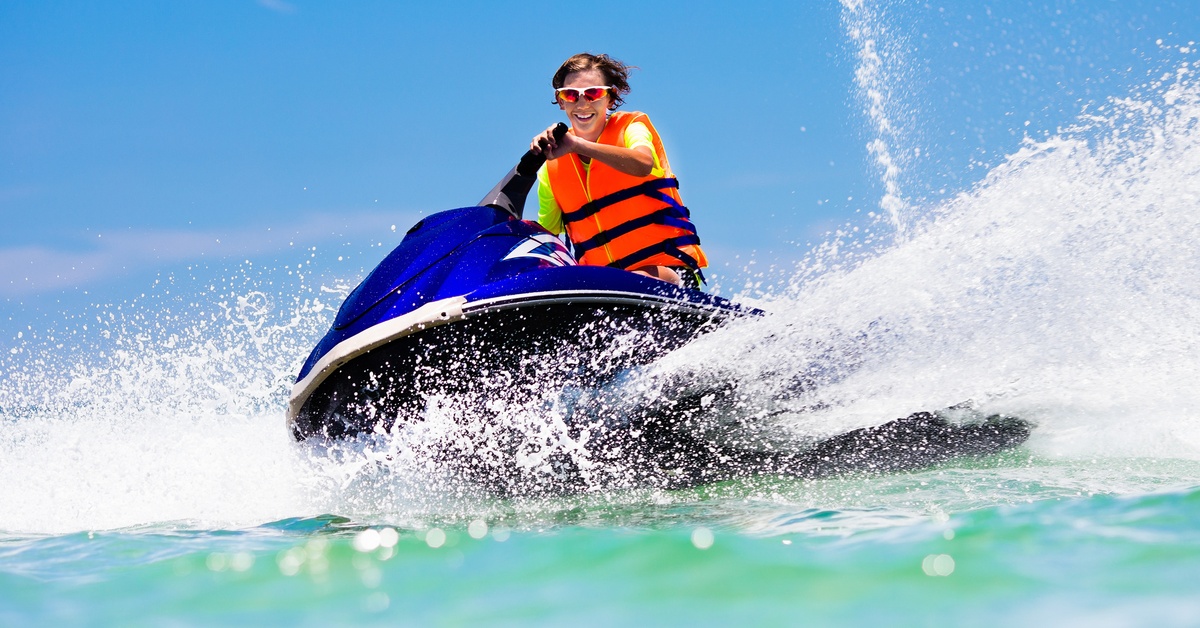
For years, slowing down on a personal watercraft (PWC) meant simply letting go of the throttle and waiting for water resistance to do all the work. While effective, this method requires considerable distance and planning.
Modern jet skis now incorporate sophisticated braking systems that offer riders more control and safety. Let’s explore a quick guide to jet ski braking systems and how to improve their performance and safety.
How Traditional Deceleration Works
Before manufacturers introduced mechanical braking, deceleration relied entirely on hydrodynamics. When a rider releases the throttle, the impeller slows down, and the jet thrust decreases.
The friction between the hull and the water gradually brings the craft to a halt. This method works but lacks precision. In emergency situations, relying solely on water drag results in collisions, as the PWC will continue to drift forward for a substantial distance.
The Mechanics of Modern Braking Systems
Major manufacturers like Sea-Doo and Yamaha have developed proprietary technologies to address the need for rapid deceleration. Sea-Doo uses the Intelligent Brake and Reverse (iBR) system, while Yamaha employs the RiDE (Reverse with Intuitive Deceleration Electronics) system.
Both systems operate on a similar principle: they deploy a reverse bucket or gate into the jet stream. When a rider pulls the brake lever—typically the left handlebar—the system drops this bucket into the path of the water jet exiting the nozzle. This action redirects the thrust forward and down and creates a drag that slows the craft much faster than simply releasing the throttle.
Safety Benefits of Active Braking
The primary advantage of these systems is a shorter stopping distance. Tests show that PWCs equipped with active braking can stop up to 100 feet sooner than models without it at speeds of 50 mph. This rapid deceleration capability gives riders critical seconds to react to obstacles, swimmers, or other vessels.
Key safety advantages include:
- Reduced Stopping Distance: Halts the craft significantly faster than coasting.
- Maintained Steering Control: Unlike traditional deceleration where steering ability diminishes without thrust, these systems allow riders to steer while braking.
- Neutral Start: Systems like iBR allow the PWC to start in neutral, preventing sudden forward movement at the dock.
Maintenance Considerations for Braking Components
These advanced systems add complexity to the PWC’s mechanical structure. The reverse gate, actuators, and electronic control units require regular inspection. Saltwater corrosion poses a specific threat to the metal linkages and electric actuators moving the bucket.
Owners should rinse these areas thoroughly after every ride. If the system fails or becomes stiff, it often requires inspecting the mechanical linkages or the actuator motor. Sourcing quality jet ski engine repair parts ensures the system functions correctly and maintains the safety standards of the vessel.
Operational Tips for New Riders
Using a PWC brake differs from braking in a car or on a bicycle. The deceleration force is sudden. Riders should brace themselves when applying the brake at high speeds to avoid being thrown forward over the handlebars.
Practice engaging the brake at lower speeds first to understand how the craft reacts. The nose of the PWC typically dives slightly as the thrust redirects, and the stern lifts. Getting a feel for this shift in buoyancy helps riders maintain balance during emergency stops.
Beyond high-speed braking, these systems revolutionize low-speed control. By partially deploying the reverse bucket, the system creates a neutral gear. This allows the PWC to sit stationary in the water without creeping forward. Let SBT help you understand your jet ski braking system and review our selection of aftermarket parts for customized enhancements.
No Comments Yet