

How To Keep Your PWC Intercooler System in Prime Condition
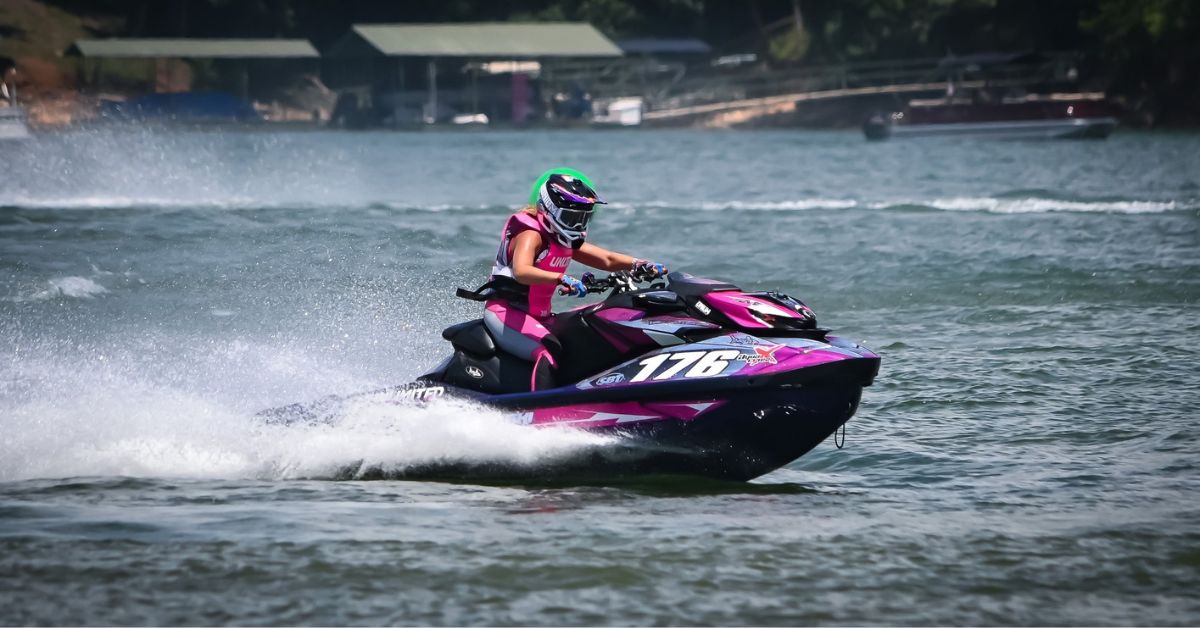
Personal watercraft (PWC) owners know that peak performance and reliability are essential, whether you’re crashing through waves or cruising along calm waters. One of the most important components of your PWC’s engine is the intercooler. This small yet vital part maintains optimal engine performance, ensuring you get the throttle responsiveness and horsepower you need.
Although it has many benefits, the intercooler system requires regular attention and care to function effectively. This guide will provide insights into how to keep your PWC intercooler system in prime condition so you can make the most of your time on the water.
PWC Intercoolers and Their Importance
The intercooler in a PWC is a sophisticated cooling mechanism that plays a key role in the overall efficiency and performance of the engine. Its primary function is to reduce the temperature of compressed air before it enters the engine. Cooler air is denser, which increases the amount of oxygen available for combustion, translating into greater power. For those riding high-performance PWCs, this component is indispensable.
However, PWC intercoolers operate under challenging conditions due to their exposure to saltwater or debris in freshwater environments, making them susceptible to wear and tear. Without regular maintenance, the system can cause performance loss, overheating, or even long-term damage to other engine components. Ignoring your intercooler system might cut your day on the water short and lead to hefty repair bills.
How PWC Intercoolers Work
The main purpose of an intercooler is to cool the hot air compressed by the supercharger before it enters the engine’s combustion chamber. Compressing air raises its temperature, which negatively affects the engine’s efficiency. The intercooler significantly reduces the air’s temperature, ensuring optimal combustion.
Most PWC intercoolers rely on water-to-air cooling systems, as water is a more efficient heat conductor than air. The system pulls water from your PWC’s surroundings to cool down the compressed air. This seamless process keeps your engine running at an optimal temperature while simultaneously boosting performance.
While the technology is relatively straightforward, the intercooler works hard under immense pressure and varying conditions. Any disruption, whether through blockages, leaks, or contamination, can directly impact your PWC’s performance and longevity.
Common Issues
PWCs operate in challenging environments. As a result, certain problems with intercoolers are more common.
Corrosion
Corrosion is a frequent issue, especially if you ride in saltwater. The salt accelerates the degradation of internal components, compromising the integrity of the system over time. Regular rinsing and flushing can help mitigate this issue but may not eliminate it entirely.
Clogging
Another problem many PWC owners encounter is clogging. The water that cycles through the intercooler often contains debris, such as sand, dirt, or algae, which can obstruct the flow. This reduces its capacity to cool air effectively, leading to higher engine operating temperatures and diminished performance. If not addressed, blockages can escalate into more significant damage.
Leaks
Leaks are another common problem. Over time, seals and gaskets can wear out, leading to water intrusion or air leaks. This reduces the intercooler’s efficiency and puts additional strain on your engine. If left unresolved, leaks can result in engine failure.
Maintenance Guide
Effective maintenance begins with regular inspections. Follow this guide to ensure your intercooler remains in top condition.
Performing a Visual Examination
Start by visually examining the intercooler for any signs of corrosion, cracks, or leaks. Welds and joints are often the first areas to show wear, so pay special attention to these components. If you notice any abnormalities, it’s best to handle them right away before they develop into larger issues.
Flushing
Flushing your intercooler is another important step in the maintenance process. After every ride, especially in saltwater, thoroughly flush the system with fresh water to remove salt, sand, and any other debris. This step can significantly reduce the risk of corrosion and clogging. If necessary, use a high-quality flushing solution, as it can help break down salt deposits that fresh water alone might not remove.
Cleaning Internal Components
Cleaning the internal components is equally important. Periodically, remove the intercooler unit and clean it with specialized cleaning agents designed for marine cooling systems. This allows you to eliminate any buildup inside the unit, maintaining its cooling efficiency.
Checking Connections and Seals
It’s necessary to check all connections and seals. Over time, vibrations and pressure changes can loosen fittings or degrade gaskets. Tighten or replace these components as needed to ensure a watertight system. If you’re unsure how to do this properly, a professional marine mechanic can assist.
Monitoring Engine Performance
Don’t forget to monitor the performance of your engine. If you notice reduced responsiveness of the throttle, overheating, or unusual noises, it may indicate a problem with the intercooler, even if it’s not immediately visible. Routine diagnostics using specialized tools can help detect issues early on.
Advanced Tips for Optimizing Intercooler Performance
Basic maintenance keeps your intercooler running smoothly. However, there are advanced measures you can take to further optimize its performance.
Upgrade to an Aftermarket Intercooler
Upgrading to an aftermarket intercooler with higher cooling capacity can make a noticeable difference, especially for high-performance PWCs. These units are typically more durable and efficient than stock models, allowing you to push your craft harder and longer.
Install a Screen Filter
Another advanced strategy is to install a screen filter in the water intake line. This simple addition helps prevent debris from entering the system, reducing the risk of clogging. This is particularly helpful if you frequently ride in sandy or murky water.
Use High-Quality Anodes
Using high-quality anodes for corrosion protection is another excellent precaution. These anodes attract corrosive elements, protecting the intercooler and other engine components. Replacing anodes regularly is a small price to pay for the extended longevity of your system.
Professionally Service Your System
It’s wise to have your intercooler professionally serviced at least once a year. Marine mechanics have the tools and expertise to thoroughly clean, inspect, and repair the system, making sure it operates at peak efficiency. Regular professional maintenance complements your own efforts and can help detect problems you might miss.
The Importance of Regular Maintenance
Knowing how to keep your PWC intercooler system in prime condition ensures better performance today and safeguards against costly issues in the future. If you’re ready to elevate the care of your PWC, check out SBT’s selection of aftermarket jet ski engine parts. Upgrading to a durable and efficient aftermarket intercooler can maximize the potential of your jet ski. Browse our selection to keep your craft ready for adventure whenever you are.
No Comments Yet