

Properly Storing Your Jet Ski During the Off-Season
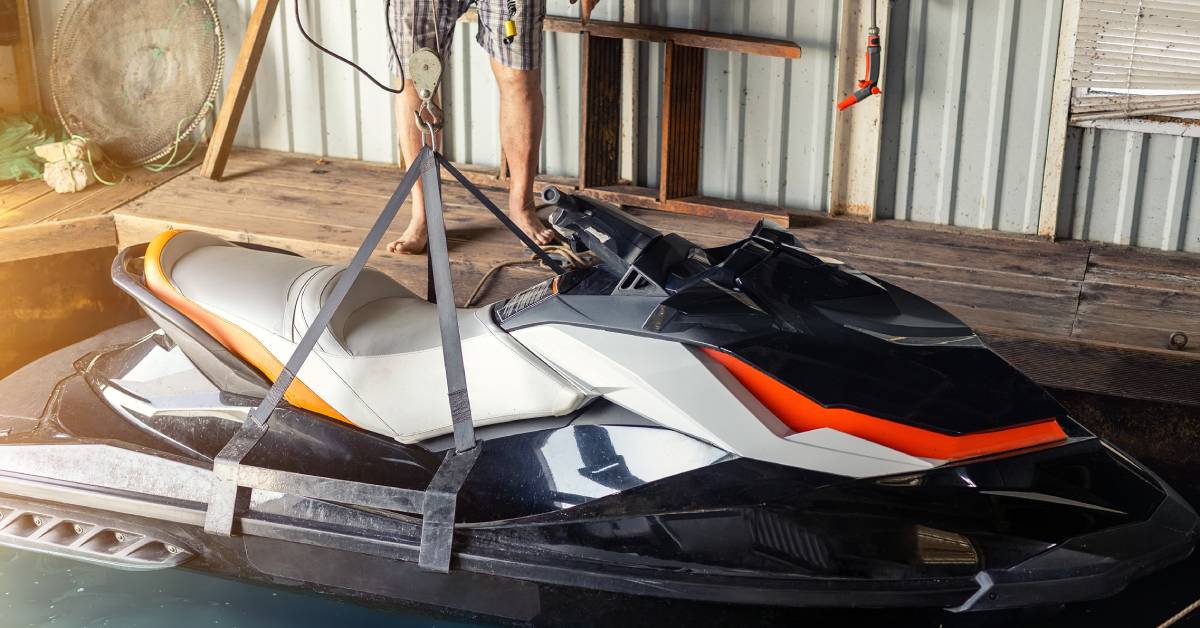
Your jet ski is a great way to enjoy endless adventures on the water. To ensure it performs flawlessly when the season returns, proper off-season storage is important. Incorrect storage practices can lead to costly repairs and reduced performance. However, by understanding how to properly store your jet ski during the off-season, you can protect your investment and keep your personal watercraft in top condition.
Clean and Dry Your Jet Ski
Before storing your jet ski, you need to give it a thorough cleaning. Remaining salt, grime, or debris from your last ride can corrode the exterior or damage the engine over time. Focus on flushing out the engine with fresh water to remove any remnants from saltwater activity. Scrub the hull to eliminate dirt and algae buildup and pay close attention to any nooks or crevices where sand and residue might hide. After cleaning, ensure the jet ski is completely dry to prevent mold or mildew growth. Use a soft cloth for wiping down all surfaces and allow extra time for air drying in areas like the footwells and compartments.
Protect Your Jet Ski From the Elements
Leaving your jet ski exposed to the elements can cause long-term damage. Harsh weather, UV rays, and moisture are all potential threats that can deteriorate its exterior and internal components. A protective cover designed specifically for your jet ski is a must-have. This cover provides a barrier against dirt, dust, and UV degradation while keeping moisture out. If storing your jet ski outdoors, consider elevating it slightly to ensure rainwater doesn’t collect underneath, preventing rust or structural wear.
Conduct Regular Maintenance and Winterize Your Jet Ski
The off-season is the perfect time to inspect and maintain your jet ski. Begin the process by changing the oil and coolant to remove impurities and protect the engine from freezing temperatures. Add a fuel stabilizer to your gas tank to prevent fuel degradation. This step is necessary to keep the fuel system clean and prevent blockages. Additionally, grease any moving parts and check for worn components like seals or hoses that may need replacing. By taking the time to winterize your jet ski, you’re reducing the risk of engine issues when it’s time to ride again.
Choose the Right Storage Option
Where you store your jet ski can make all the difference. Indoor storage in a climate-controlled environment is ideal, because it shields your jet ski from severe temperatures and humidity. If that’s not an option, outdoor storage can work as long as you take precautions. Use a sturdy cover and choose a location away from direct exposure to harsh sunlight or heavy rain. If you’re looking for secure long-term solutions, storage lockers or marina facilities specifically designed for watercraft can be excellent alternatives.
Knowing how to properly store your jet ski during the off-season extends its lifespan and ensures that it’s ready to operate when you’re eager to hit the water. If you need to perform maintenance on your jet ski during the off-season, SBT can help. We offer a variety of jet ski fuel system parts, including jet ski fuel filters, that will keep your personal watercraft running smoothly. Our parts meet strict quality standards that provide optimal performance. Browse our inventory today.
No Comments Yet