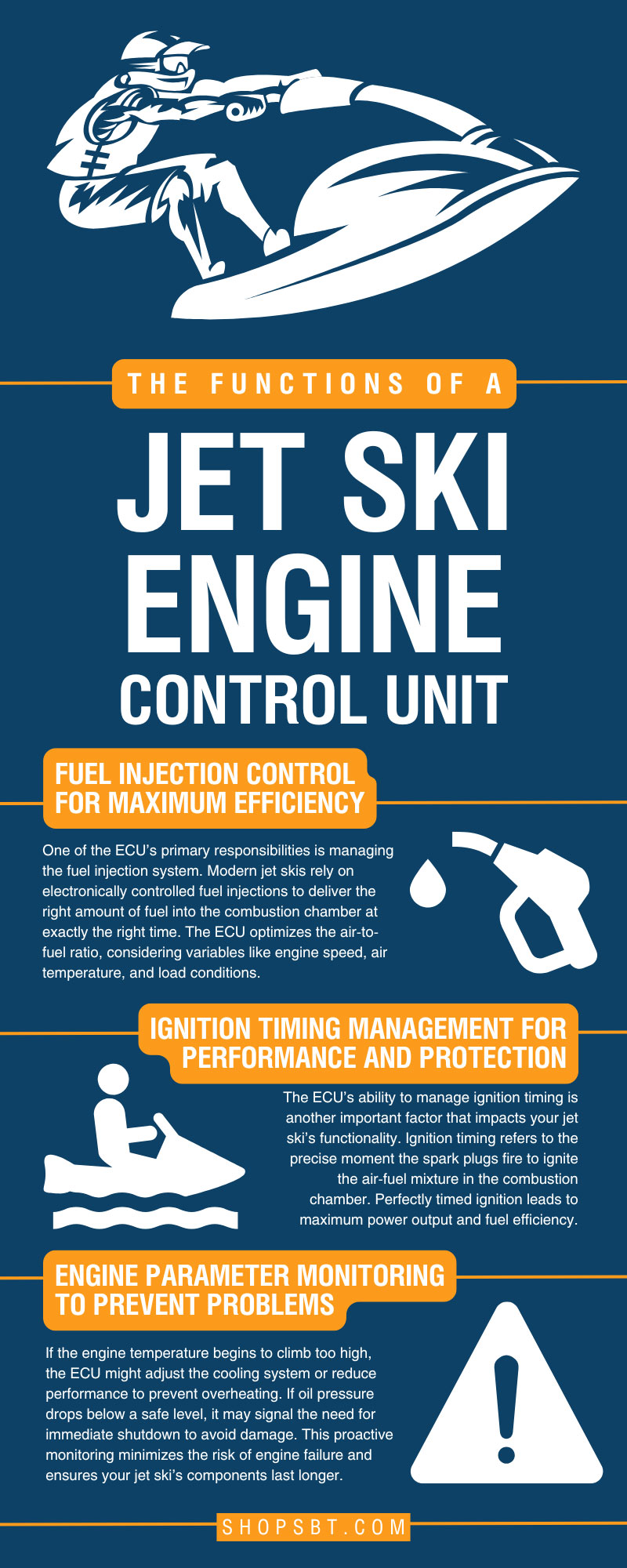
The Functions of a Jet Ski Engine Control Unit
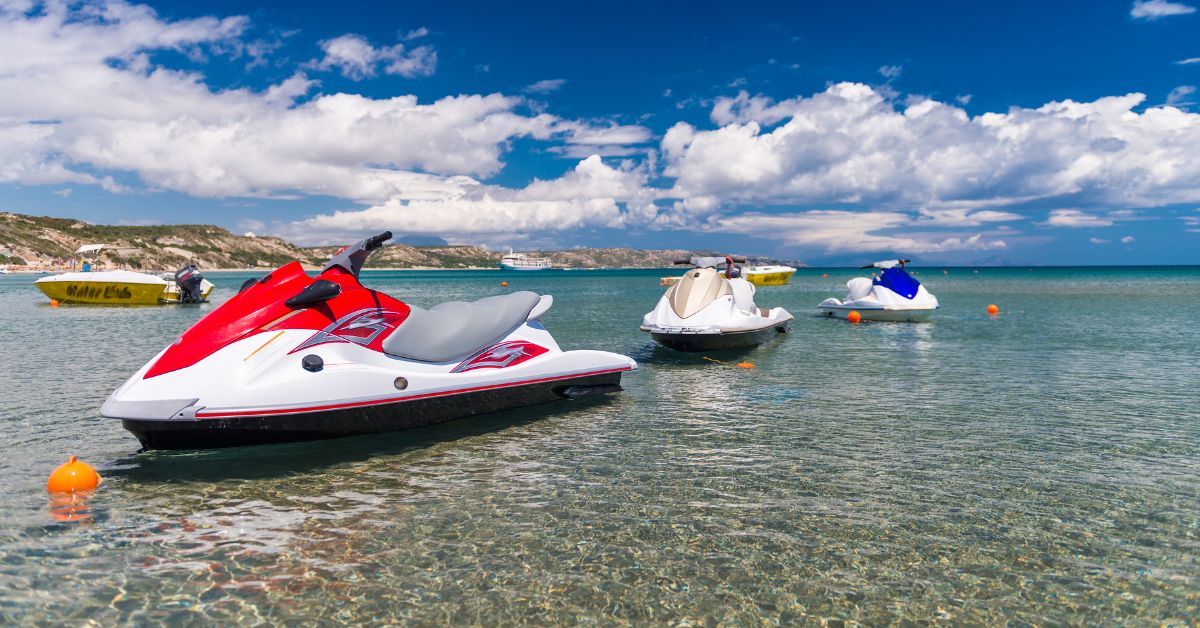
Owning a jet ski means more than gliding across the water on a sunny day; it’s about understanding and maintaining the machine that delivers all that fun. The engine control unit (ECU) is a critical component of your jet ski’s functionality. This compact piece of technology is the brain behind your watercraft, ensuring everything operates smoothly and efficiently. Let’s explore the essential functions of a jet ski engine control unit and how it monitors, controls, and enhances your watercraft’s performance.
How Jet Ski ECUs Manage Control
The ECU is essentially the command center of your jet ski’s engine. Its main job is to make sure the engine runs efficiently under various conditions by controlling a range of systems. Unlike older mechanical methods of engine control, modern ECUs use a combination of software and sensors to fine-tune performance in real time.
An ECU doesn’t just turn systems on or off; it collects input from countless sensors within your jet ski’s engine and makes calculated adjustments. Whether regulating fuel injection, managing ignition timing, or monitoring engine temperature, the ECU plays an active role in every aspect of engine performance. Without it, your jet ski wouldn’t start, run efficiently, or perform reliably.
Core Functions of the ECU
To understand just how essential the ECU is, you need to know the tasks it handles. Each function contributes directly to the smooth operation of the jet ski, whether you’re gliding through calm waters or powering through waves. From the precise coordination of fuel and air to proactive diagnosis of system errors, the ECU is a multitasking powerhouse.
Some of the core functions of a jet ski ECU include fuel injection, ignition timing, engine parameter monitoring, diagnostics, and even performance tuning or modification. Let’s examine each of these functions in greater detail to demonstrate how the ECU keeps your jet ski running optimally.
Fuel Injection Control for Maximum Efficiency
One of the ECU’s primary responsibilities is managing the fuel injection system. Modern jet skis rely on electronically controlled fuel injections to deliver the right amount of fuel into the combustion chamber at exactly the right time. The ECU optimizes the air-to-fuel ratio, considering variables like engine speed, air temperature, and load conditions.
This level of precision improves both engine performance and fuel efficiency. The ECU adjusts the fuel delivery in real time depending on whether you’re slowly cruising or revving the engine at full throttle. This saves fuel and reduces harmful emissions while ensuring the engine consistently delivers smooth and predictable power.
Ignition Timing Management for Performance and Protection
The ECU’s ability to manage ignition timing is another important factor that impacts your jet ski’s functionality. Ignition timing refers to the precise moment the spark plugs fire to ignite the air-fuel mixture in the combustion chamber. Perfectly timed ignition leads to maximum power output and fuel efficiency.
Improper ignition timing, on the other hand, can lead to performance issues and even engine damage. The ECU constantly monitors factors like engine speed and temperature, adjusting the ignition timing as necessary. This helps your engine run smoothly, even under changing operating conditions, and protects against engine knocking. By automating this process, the ECU eliminates the need for manual tuning, making your jet ski more reliable and user-friendly.
Engine Parameter Monitoring To Prevent Problems
To operate effectively, the ECU gathers information from a network of sensors throughout your jet ski’s engine. These sensors monitor key parameters like engine temperature, oil pressure, intake air temperature, and exhaust gases. By continuously analyzing this data, the ECU keeps the engine within safe operating conditions.
For instance, if the engine temperature begins to climb too high, the ECU might adjust the cooling system or reduce performance to prevent overheating. If oil pressure drops below a safe level, it may signal the need for immediate shutdown to avoid damage. This proactive monitoring minimizes the risk of engine failure and ensures your jet ski’s components last longer.
Diagnostic Capabilities and Error Codes
One of the most practical and user-friendly features of a jet ski ECU is its diagnostic capability. When something goes wrong, the ECU generates error codes that help identify the specific issue. Diagnostic tools can read these codes, enabling technicians or experienced owners to quickly pinpoint the root of the problem.
This saves time and reduces repair costs by addressing issues early before they escalate. For jet ski owners, simply understanding how to interpret error codes can make troubleshooting and maintenance much easier. Instead of worrying about vague engine problems, you’ll have clear guidance on what to address and where to start.
Performance Tuning and ECU Modification
If you’re interested in pushing the limits of your jet ski, the ECU also plays a central role in performance tuning. Specialized software allows for advanced modifications to fuel maps, ignition timing, and other parameters. These adjustments can unlock more power, improve acceleration, or tailor performance to specific riding conditions.
However, modifying an ECU isn’t something to take lightly. Improper tuning can void warranties, lead to engine damage, or make your jet ski less reliable. Always work with professional tuners who understand the intricacies of your specific ECU and engine model, especially when making significant changes.
Common Issues and Troubleshooting Tips
Like any advanced system, the ECU may encounter problems. Common issues include sensor malfunctions, wiring problems, or firmware glitches. Symptoms of a malfunctioning ECU might include poor engine performance, difficulty starting, or the appearance of warning lights on your dashboard.
Troubleshooting often starts with checking for error codes, inspecting sensor connections, and verifying that your ECU firmware is up to date. If a problem persists, consulting a professional or replacing a damaged ECU might be necessary. Regular maintenance, including keeping connections clean and secure, can go a long way toward preventing these issues.
Make the Most of Your ECU’s Potential
The ECU works hard behind the scenes to make sure every jet ski ride is smooth, efficient, and enjoyable. By understanding its essential functions, you can maintain, troubleshoot, and even enhance your jet ski’s performance.
If you want to enhance or replace your jet ski’s engine control unit, SBT offers a variety of aftermarket jet ski parts. As the world’s largest remanufacturer of personal watercraft engines, we can help you maximize the reliability and performance of your jet ski. With a robust product offering for brands such as Sea Doo and Yamaha, we’re proud to provide new and remanufactured parts you can rely on. Browse our selection today!