

The Importance of Proper Jet Ski Battery Maintenance
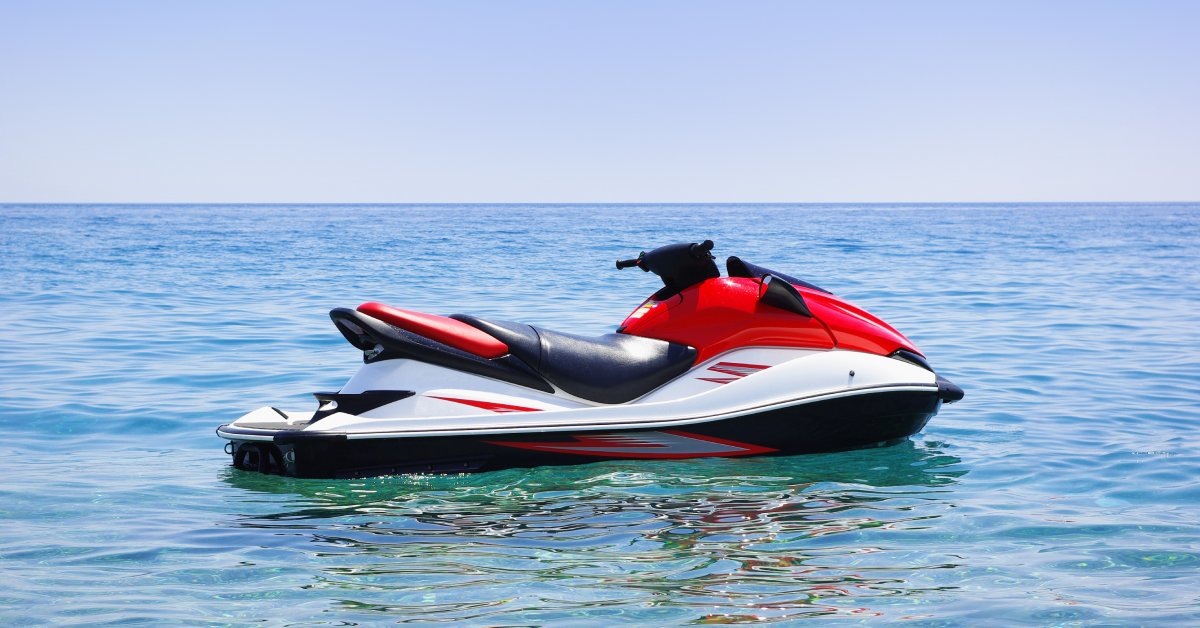
Your jet ski battery powers and controls the electrical system that keeps your PWC running safely and efficiently. Proper maintenance extends battery life, prevents costly breakdowns, and ensures reliable performance every time you hit the water.
Most jet ski owners focus on engine maintenance while overlooking their battery until problems arise. A dead battery can strand you on the water or prevent your PWC from starting altogether. Some simple battery maintenance basics will help you avoid these situations and maximize your investment in your watercraft.
Battery maintenance involves regular inspection, proper charging, correct storage, and timely replacement. These practices prevent sulfation, corrosion, and premature failure that plague neglected batteries. We’re detailing the importance of proper jet ski battery maintenance to help you make the most of its performance.
What Happens When You Skip Battery Maintenance
Neglected batteries develop sulfation, a process where lead sulfate crystals build up on the battery plates. These crystals reduce the battery’s ability to hold and deliver charge, leading to weak starting power and shortened battery life.
Corrosion attacks battery terminals and connections, which creates resistance that eventually prevents proper electrical flow. This resistance forces your charging system to work harder and can damage other PWC electrical parts over time.
Temperature extremes further compound these problems. Hot weather accelerates chemical reactions inside the battery, while cold weather reduces available power. These conditions quickly degrade battery performance without proper maintenance.
How Often Should You Check Your Jet Ski Battery
Check your battery monthly during riding season and before each extended storage period. Monthly inspections catch problems early, while pre-storage checks help your battery survive the off-season.
Weekly checks typically only make sense for frequent riders or people using their jet ski commercially. Heavy use increases wear on all electrical components, making regular monitoring essential for reliable operation.
Visual inspections take only minutes but reveal important information about battery conditions. Look for physical damage, corrosion, loose connections, and electrolyte levels during each check.

Where Corrosion Strikes and How To Stop It
Battery terminals collect corrosion from acid vapors and moisture exposure. This white, blue, or green buildup creates electrical resistance and spreads to nearby components if left unchecked.
Clean the terminals with a wire brush and baking soda solution—a small amount of baking soda mixed with water to create a paste—then rinse thoroughly with fresh water. Apply dielectric grease or terminal spray to prevent future corrosion and support solid electrical connections.
PWC cable connections also corrode, particularly where copper wire meets battery terminals. Replace the damaged cables immediately, as compromised connections can cause electrical fires or system failures.
When To Replace Your Jet Ski Battery
Most jet ski batteries last three to five years with proper care, but several factors affect lifespan:
- Usage frequency and intensity
- Storage conditions
- Maintenance quality
- Climate and temperature extremes
- Charging system condition
Replace batteries that fail to hold a charge, show physical damage, or consistently measure below 12.4 volts when fully charged. Weak batteries stress the charging system and can fail without warning.
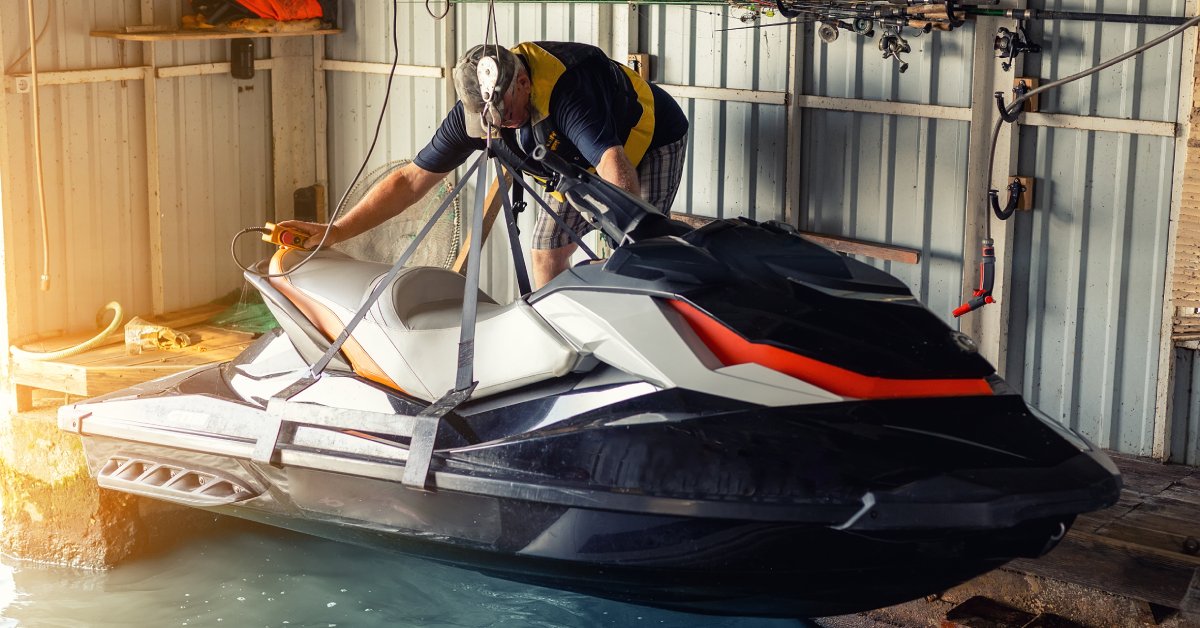
Which Charging Method Works Best
Smart chargers automatically adjust charging rates and prevent overcharging, which are ideal for jet ski batteries. These chargers switch to maintenance mode once the battery reaches full charge and prevent damage from continuous charging.
Trickle chargers work for long-term storage but require manual monitoring to prevent overcharging. Set timers or use chargers with automatic shutoff features to avoid battery damage.
Why Proper Storage Prevents Battery Death
Store your PWC battery in a cool, dry location, away from harsh sunlight and temperature extremes. The most ideal storage temperature ranges from 32 to 80 degrees Fahrenheit, with lower temperatures slowing self-discharge rates.
Remove batteries from your jet ski for winter storage, especially if you live in freezing climates. Frozen electrolytes crack battery cases and destroy internal components permanently.
What Temperature Does to Battery Performance
Cold weather reduces available battery capacity by up to 50 percent at 0 degrees Fahrenheit compared to 80 degrees Fahrenheit. This reduction makes starting difficult and can damage batteries if they freeze completely.
Hot weather accelerates internal chemical reactions, increasing self-discharge rates and shortening battery life. Temperatures above 100 degrees Fahrenheit cause permanent capacity loss and electrolyte evaporation.
Extreme temperature swings stress battery components and accelerate wear. Park your jet ski in shaded areas when possible and consider battery blankets for cold-weather riding.
How Water Levels Affect Battery Life
Flooded batteries require regular electrolyte level monitoring, as evaporation and charging reduce water content over time. Low electrolyte levels expose battery plates to air and cause permanent damage.
Check water levels monthly and add distilled water as needed, maintaining levels just above the battery plates. Overfilling causes electrolyte overflow during charging, creating corrosion and mess.
Sealed AGM and gel batteries require no water maintenance, making them popular choices for jet ski applications. These batteries cost more initially but offer convenience and longer service life.
Which Tools Make Maintenance Easier
Digital multimeters provide accurate voltage readings and diagnose battery problems before they cause failures. Test voltage at rest and under load to assess battery condition properly.
Hydrometer testing reveals the specific gravity of electrolyte in flooded batteries, indicating charge state and cell condition. This test catches failing cells early, before they affect overall performance.
Battery load testers simulate starting conditions and reveal batteries that test good at rest but fail under load. Professional shops use these testers, but portable versions work for home maintenance.
What Safety Steps Protect You and Your Equipment
Wear safety glasses and gloves when handling batteries, as electrolyte can cause burns and eye damage. Keep your baking soda nearby to neutralize acid spills immediately.
Work in ventilated areas to avoid hydrogen gas buildup, which can explode if ignited. Never smoke or use open flames near batteries and make sure tools don’t create sparks.
Disconnect the negative terminal first when you remove batteries, and connect it last during installation. This sequence prevents accidental shorts that might damage electrical systems or cause injury.
SBT Gets You Ready for Reliable Seasons Ahead
Regular battery maintenance keeps your jet ski ready for every adventure. Monthly checks, proper charging, and correct storage practices extend battery life and prevent unexpected failures that cut your time on the water short.
Start implementing these maintenance practices today, and your battery will reward you with years of dependable service. When all else fails, partner with SBT to get all the components you need to keep your PWC on the water and running right.